Over the past year of building DeepSRT, one thing has become increasingly clear to me: the app economy is passing through an inflection point, and most people haven't registered its shape yet. A few observations, written down for the record.
Suddenly, everyone ships
Anyone — armed with a frontier model on the level of claude-fable-5 or gpt-5.6-sol — can now write a working app. Not a toy: an app that runs, ships, and charges money. Two years ago that sentence was a joke. Today it's common knowledge.
What follows is a bloom in the most literal sense: the $99 Apple Developer Program ticket is the only gate left on the road. Pay it and you can submit. The supply wave heading toward the App Store will make every previous "golden age of indie development" look like a warm-up.
When anyone can build it, the value leaves the app
This is the true shape of the inflection: when the function itself is something anyone can replicate, the function stops being where the value lives. The value moves — into the developer.
The old indie developer could ignore community entirely: ship a $0.99 app, then vanish. That road is closing. The developers of the next era share progress continuously on Threads, X, and LinkedIn; write dev notes that argue a point of view; keep a GitHub people can follow; run a Discord where they stand next to their users. Not because a marketing course said so — but because reputation and the ability to narrate are the only things a user cannot vibe up for themselves.
Goodbye, coin prices
So a good app will no longer cost $2.99. I believe the healthy one-time price lands between $50 and $100.
Think about it: the app you bought for $2.99 — or $0.99 — breaks. You complain on Threads; you even email the developer. Do you honestly expect them to sit down and spend real time on your problem? It isn't callousness — that price simply cannot fund that kind of care. If you can't get support — if you can't even talk to the developer directly and hand them a product suggestion — then coin-priced apps cannot sustain this new, AI-built app economy.
That number is not the price of the feature — features are cheap now, see above. It is the price of long-term commitment. Writing the code is one weekend; what follows — the iterations, the compatibility upkeep, answering users, fixing the bug that only appears on one particular machine — that marathon is the hard part. Fifty dollars doesn't buy today's app; it buys the signal that this team will run the marathon with you.
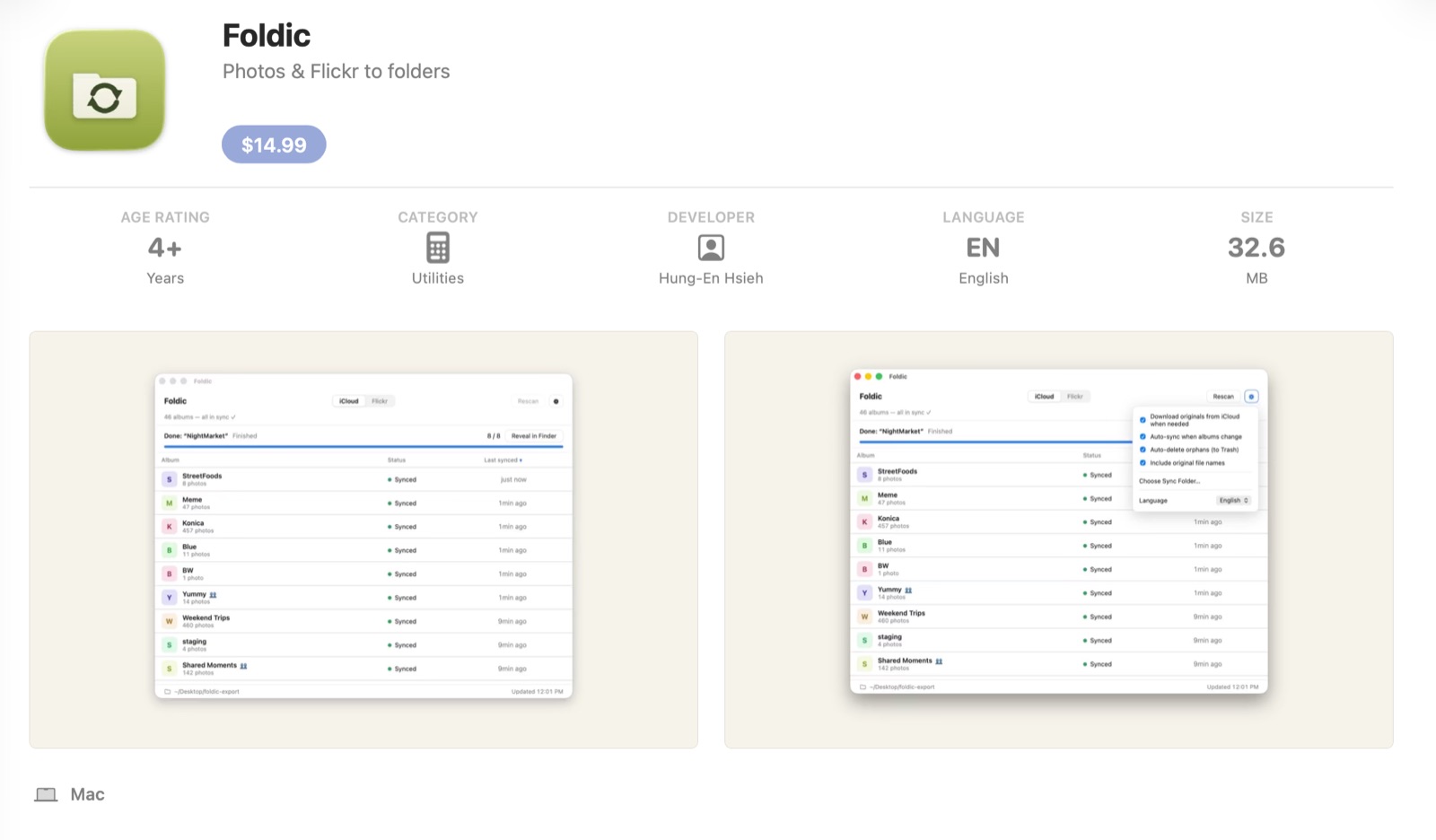
The "not worth vibing it yourself" sweet spot
The price point has a precise definition: it sits exactly where building it yourself stops being worth it.
It isn't cheap. And honestly, you could write it yourself — that's precisely what makes it interesting. But once you actually try, lose a few weekends, and burn your own token budget on the edge cases, you arrive at the same conclusion as everyone else: not worth it. Not in time, not in tokens — and least of all in the fact that you'd have to maintain it forever.
Buying the version someone has committed to maintaining suddenly becomes the rational choice. That argument didn't exist in the $0.99 era — apps were too cheap for you to ever consider building your own. It exists again now, because apps are finally expensive enough to make you think — and thinking leads you to buy.
The real scarcity: taste, and noticing
Last, and most important: the value of a product was never in the act of writing it. It lives in taste — in the moment you notice "oh, it could work like this" while nobody else has thought of it.
A model will write anything you can describe. But "being able to describe it" is itself the bar: knowing what to build, knowing what to refuse, knowing what the user's unspoken need looks like. That is the value. It always was — it just used to be hidden behind the "can you code" gate. The gate is gone. The scarcity is finally exposed.
Now go build it
So if there is a product in your head — the one you've wanted for years, the one that makes you mutter "no, not like that" every time you see an almost-version of it — now is the time to write it. The ticket is $99, the tools are in your hands, and all that remains is your taste and your willingness to run the marathon.
And there is one more reason the price curve points up: frontier models keep getting more expensive to build with. Good apps deserve better one-time pricing — and every purchase is, quite directly, support for a developer or a team, so they can keep using AI to maintain and create better products.
Write it. Then keep maintaining it. The second half is the product.